Opioids Australia: Uses, Risks, and Safety Information
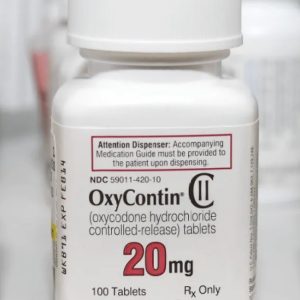
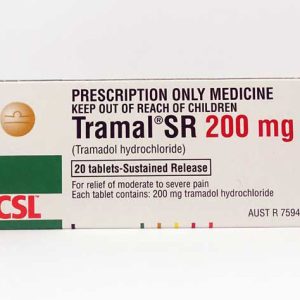
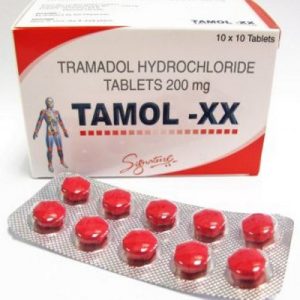
What Are Opioids? Opioids Australia are a class of drugs that people can use in a medical and non-medical manner. Doctors can use them in a medical manner to relieve pain by manipulating the brain and the nervous system, which are the centers of perception for pain. They relieve moderate to severe pain; medical opioids include morphine, oxycodone, and codeine, while non-medical ones include heroin.
Medical Uses of Opioids
For medical uses, doctors prescribe opioids for acute pain after surgery, injury, pain related to cancer, and chronic pain after trying other treatments. Doctors should prescribe their consumption of opioids. The opioids should serve as a substitute for severe pain to enhance the positive impact for the sake of the patients.
Risks and Side Effects
A number of side effects associate with the consumption of opioids, which include drowsiness, constipation, nausea, and in general, all the opioids likely contribute to a slowed rate of breathing. One of the lethal side effects of opioids occurs if people use them for a prolonged period of time, as there is a strong risk of developing an opioid tolerance. The misuse of prescribed opioids and the uneven consumption of opioids are likely to create global health challenges.
Opioid Addiction and Overdose
Opioid Addiction and Overdose Individuals define opioid use disorder by their continued use of opioids despite negative consequences. An overdose occurs when a person takes a significant amount of opioids, causing their built-up tolerance to lead to the total cessation of the body’s automatic function of breathing. Some of the warning signs of an overdose include extreme drowsiness or unresponsiveness, and lips and fingernails turn purple. A healthcare provider administers naloxone, an opioid overdose reversal medication, while the person is actively overdosing.
Safe Use and Prevention
Safe Use and Prevention Patients should only take the opioids that their doctors prescribe to them, never take them with alcohol or sedatives, and keep them in a safe place to reduce the risk. Health care providers can also recommend other ways to cope with pain like physical therapy and medications that do not contain opioids. Doctors use opioids as an important part of treating pain, but they can also be very dangerous so it is important that patients use opioids in a very responsible manner.